Despite the blog title, I cannot help but feel we have a selection of governments caught up in exactly this - especially in the UK/EU. Whilst I could go into all the concerns I have, my brain is stuck on a single concern, what are they not doing that a government should be doing whilst they are trying to police our behaviours? Let’s be honest here, governments that waste their time policing the electorate on moral views are rarely effective governments.
If I could choose one section of society that I believe holds robust and universally applicable moral values, it certainly wouldn’t be politicians, who have a track record of self-centred dishonesty, barring a handful of standouts over the course of history. I’d also not put my faith in the religious community, many of whom have become so polarised that the idea they represent a “higher power” is frankly ludicrous at this stage. What of our education system? Don’t we have numerous great thinkers helping to shape the minds of the future? I will concede that we do have some great brains in education, unfortunately what they lack is moral direction, which brings us back to our starting issue. So where do we find any semblance of moral value that is actually relevant in today’s society?
In ancient times we had the philosophers, individuals who observed how society worked for its citizens, both those born into wealth and those born into poverty and spoke about it to those who would listen and who could influence societal direction through the often misunderstood process of democracy. I don’t advocate a return to those times, where male citizens had the right to vote on the direction of the state because I firmly believe we have moved on significantly since then. What I do see are the next generation of societal commentators and philosophers slowly taking form through social media platforms, in many instances they are censored by the state for sharing opinions it disagrees with but I do feel we have moved forwards a lot since the censorship of the Covid era. For the record I do not include influencers in this conversation, misguided and disconnected from reality as they are, I view them as a by-product of society rather than its direction. Sorry influencers but there it is.
A key area not to ignore has to be the deluded force that is “billionaire influencers”, who can marshall singificant resources to stir up opinion that often leads to civil unrest, either within their own country or in other countires because they disagree with population or government direction. This is such an insidious problem and almost impossible to prevent, the only approach we can take is the legislative one, whereby the penalties for such action carry international weight. I have no issues with anyone expresing an opinion, regardless of how offensive I find it, what I object to is the destabilisation of communities to enforce a view that the majority do not share but that benefits such influencers - I am looking at you climate fear-mongers. Societies have the right to determine the rules and guidance under which they live, wealthy external influencers do not.
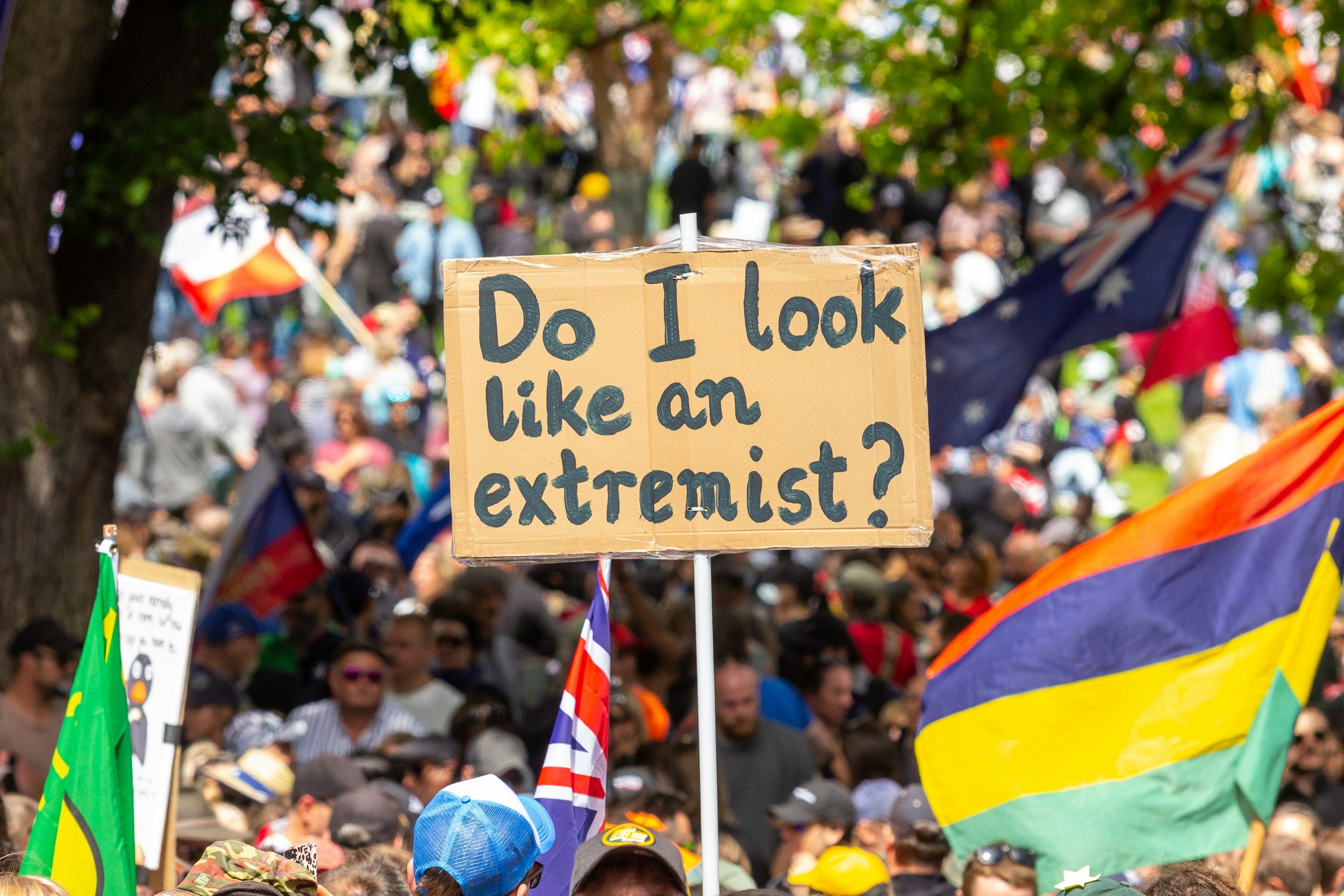
I have no doubt that some topics and direction will lead to societal dead ends, I would stress that the whole point of open forums for such discussions is that we identify these routes and think them through without dragging nations through the process of change. Whilst social media success revolves around commentators being right, I would highlight that we only make big improvements through things being wrong and this process is something we need to simplify. Being wrong should not mean being cancelled, it should lead to a rethink and an improvement in our approaches otherwise we lose the lessons that are needed to succeed in the long game - all societies need to engage in this. The solution to today’s problems has to be a change in direction not intolerance for dissent from the electorate, if your population is speaking out against the government it is because the policies either don’t work or they don’t represent the people and if memory serves, governments should serve people not the other way round.
I worry that our governments have become too involved with a big business approach to functioning, whereby the focus is no longer on the people but the direction agreed by a smaller group of government administrators who are disconnected from the people they should represent but can now influence multiple governments, in real time, to achieve their aims (with dubious moral direction and few checks in place). Governments cannot operate like big business, that is not their purpose. Governments can only be judged by their ability to improve the quality of life for their citizens, generation after generation without constantly changing the metrics. If a business operated the way our governments do, stakeholders would have rised the alarm years ago and change would have been required to avoid liquidation.
Let’s be clear, governments are responsible for appropriate taxation and its spending, education, immigration, healthcare, social care, public transport, utilities, home policy and foreign policy, business and trade, housing, culture and science innovation and technology. If we raise more taxes every year then the quality of these services should see consistent improvement every year, assuming they are managed correctly. From what I hear, governments tend to overspend and build up a substantial national debt that the population then has to pay off, which currently stands just shy of £3 trillion - all the while we are told by our government to live within our means! The bare faced cheek of it…. holding elections is all well and good when we are unhappy with our leaders, holding our leaders accountable for what they have delivered is even more important and something I see politicans working harder to avoid every year. Just because government is funded by the people should not mean mismanagement carries no consequence, especially if if leaders have not acted morally for the country.
In the end, the measure of a society’s moral health lies not in the conformity of its citizens to a legally defined set of government rules but in their capacity to think, choose, and grow, freely and authentically within a framework that permits growth and evolution of societal and government values. In my opinion, one of the main roles of government is to ensure that is possible.